YOUR ITALIAN LEGAL TRANSLATOR
Translations, revisions, quality checks – you are in the right place
Translation
Services
Translation into Italian of legal documents, contracts, marketing texts, websites, and much more!

Registry Office Entries
- Birth, Death, Marriage Certificates
- Citizenship Certificates
- Change of Name
- Police Certificates
Company Documents
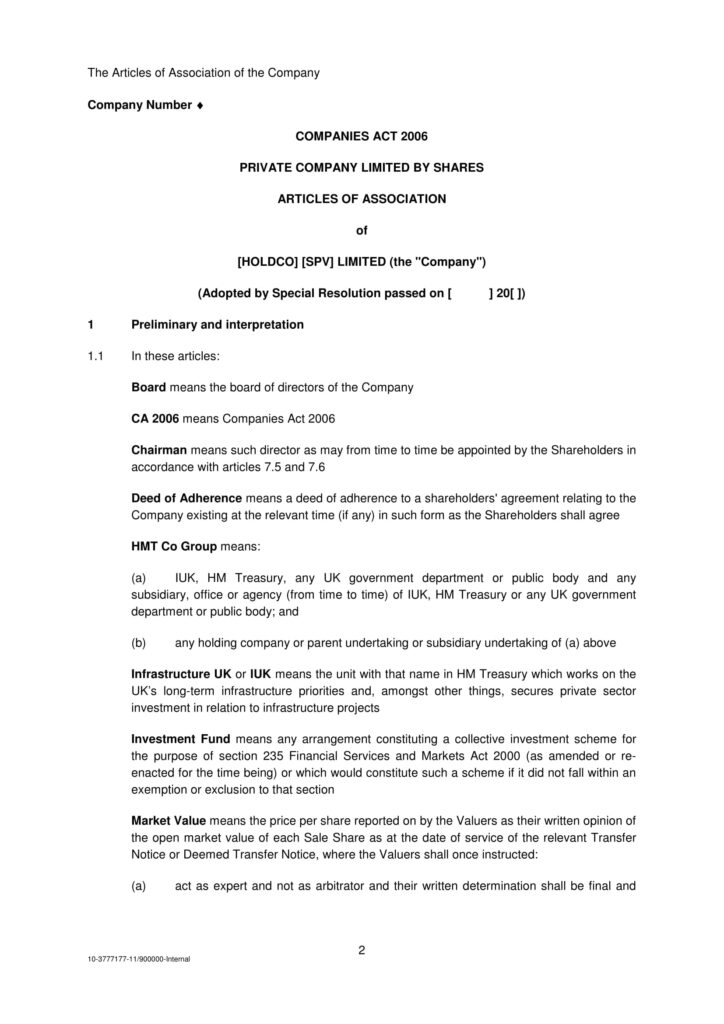
- Articles of Association
- Statutes
- Certificates of Incorporation
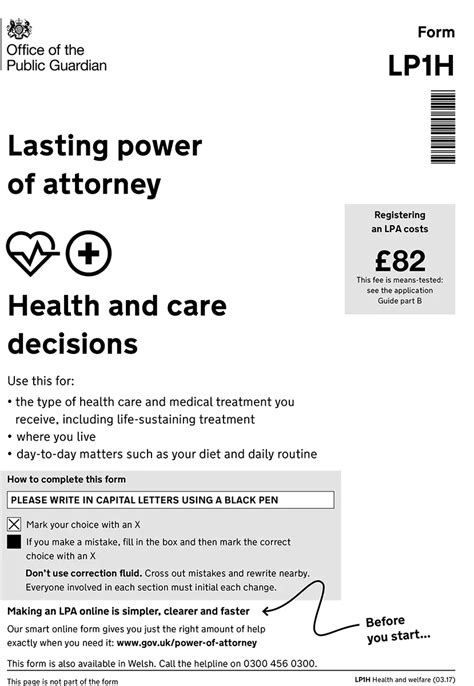
- Powers of Attorney

Court Documents
- Court Decrees
- Divorce Petitions
- Last Will and Testaments
- Trust Deeds
Examples
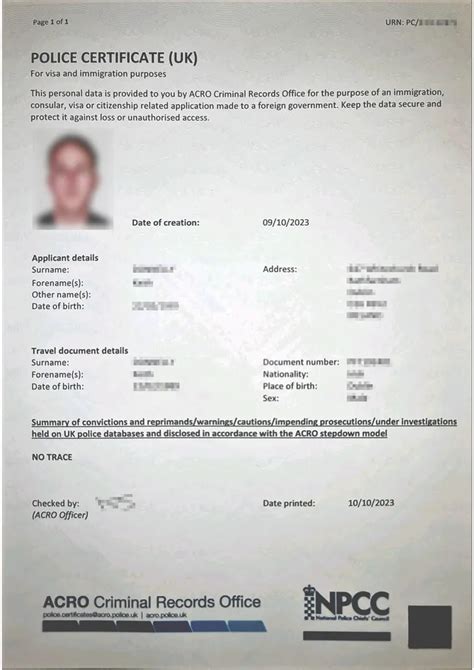
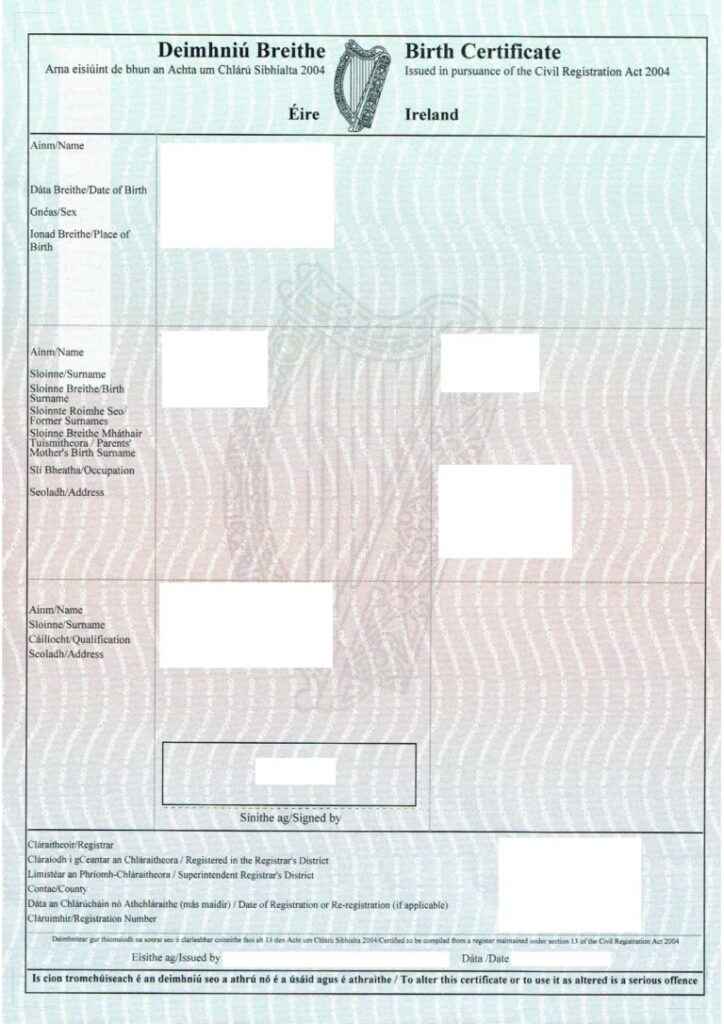
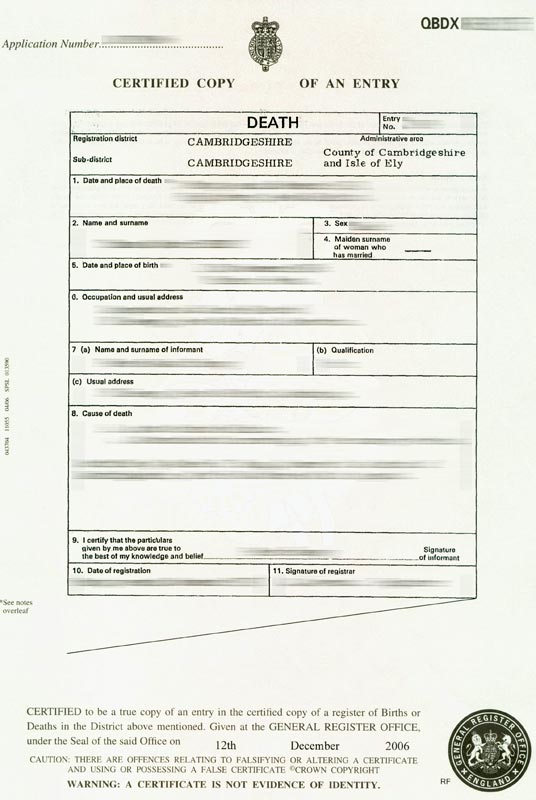
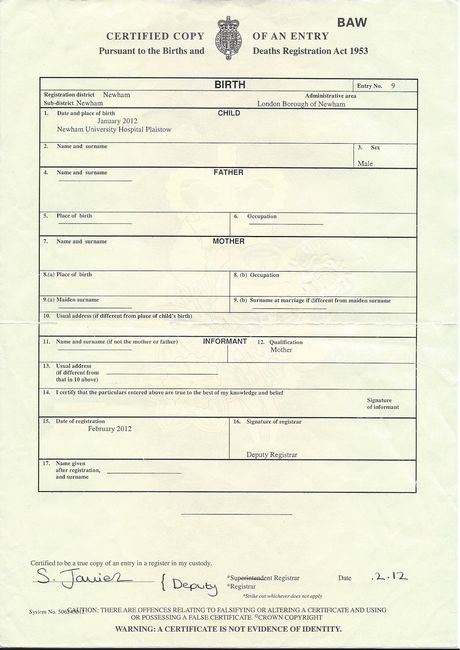
FAQs
Not finding what you are looking for? Drop me a message!
How much does a translation cost?
The fee for a translation may vary depending on the language combination, the type and quality of the source text – i.e., whether the text is already editable/legible, needs a heavy pre-editing, has a lot of seals/stamps/handwritten parts to be retyped, and so on. For example, the translation fee of a standard birth certificate may range from €10 to €15, yet an additional fee may be charged if the text is handwritten or bears many seals/stamps.
May I ask you for a free quote and then not proceed with the job?
Of course! Quotes are free and not binding. If you don’t want to proceed with your order, just tell me, so I can arrange my working schedule accordingly.
What happens if I want to order a translation?
I will send you a PO (Purchase Order) with all the details of your order: the final fee, the delivery date, any additional information. Please note that a PO is not an invoice but may be useful to keep track of your order.
Can I have my document translated while I’m waiting for the Apostille to be ready?
Of course! I can add your Apostille at the end of the document once it’s ready.
How can I pay?
Either by bank transfer or PayPal, depending on what suits you best.
When should I pay?
Usually, upon delivery of the translation. For bigger projects, we can arrange together a payment plan.
What will be the final format of the translation?
Usually, in Word (.docx) or Pdf or in the same format as the source file, unless you request otherwise.
The big question
Why should I pay a human translator when I can use AI for free?
That’s a big question indeed! I’ll try to answer as follows.

A fake “intelligence”
Despite its name, “Artificial Intelligence”, this technology isn’t really “intelligent” in the human sense. It’s more like a big, super-powerful, very fast processor able to process millions and millions of data in seconds and generate an output that seems indeed new and original. But this is just an illusion: such output is based on algorithms and probabilities which are in turn statistically based on the training data. There is no “creation” in the sense of generating something from scratch: AI wouldn’t be able to conceive a unicorn if it didn’t already know what a unicorn is thanks to the data it is fed with. From a linguistic point of view, AI works in the same way: it doesn’t understand what it reads but generates a statistically probable output to every word it encounters, without considering the context, which is paramount in translation. For example, the word “Registry” may be translated in several ways in Italian, but AI will probably take the most common and used translation (i.e., “Registro”) without taking into account that in a birth certificate “Registry” refers to the Italian “Ufficio di Stato Civile” whereas in a property certificate it will probably indicate the Italian “Catasto”.

Privacy
Everything that you type into an AI tool stays in the AI tool – forever. And it’s used to train AI, with no guarantee of privacy. So, be very careful with your sensitive data.
Accuracy
Today’s world is overwhelmed by claims promising things done fast, accurately, for little or no charge. But reality is quite different. AI cannot really translate but just generate a probable output from a starting string of words. This may work quite well for short, easy sentences such as “Enter you details here to login”, but as soon as the text become longer and more complicated, IA hallucinates – that is, it invents where it doesn’t know what to do.

Consistency
Automatic translations all share the same issues, and lack of consistency is one of the most common. That happens because automatic translation systems work “per segment”, without remembering what was translated in the previous sentences. So, the same word is translated differently throughout the text, or even worse – especially when translating into a gender-based language like Italian – its gender is changed, turning a Director into a “Direttore” (a man) or “Direttrice” (a woman).

Inclusivity
Unlike English, Italian is not a naturally inclusive language, that’s why it’s so important to be careful to make an Italian translation sound both natural and inclusive.
Accountability
As a machine, AI holds no liability for its output, which may be “inaccurate” as AI providers specify in their small prints.
Nelson Mandela
If you talk to a man in a language he understands, that goes to his head. If you talk to him in his language, that goes to his heart.